Agapanthus
Agapanthus praecox
Download the PDF

DESCRIPTION
Agapanthus is not really a weed, of course. It’s more of an ornamental flower, and a pretty nice one too, in its place. It is, for example, better able than almost anything else to handle the carbon monoxide laden atmosphere in the middle of a busy motorway. That’s why we see so many planted there, and looking very pretty too. The problem, however, is that agapanthus often does not stay in its place, and even when it does stay it can be just like an unwelcome guest; it’s damned hard to get rid of when you’ve had about enough of it!
Agapanthus is a member of the lily family and originally comes from South Africa. It’s an evergreen plant that grows in dense clumps up to 60cm high. It grows from a very dense mass of long, thick, pale coloured rhizomes (i.e. underground stem/ roots).
The leaves are long and slender and have a very tough, leathery texture. They grow from the base of the plant in clumps of up to about 20 leaves.
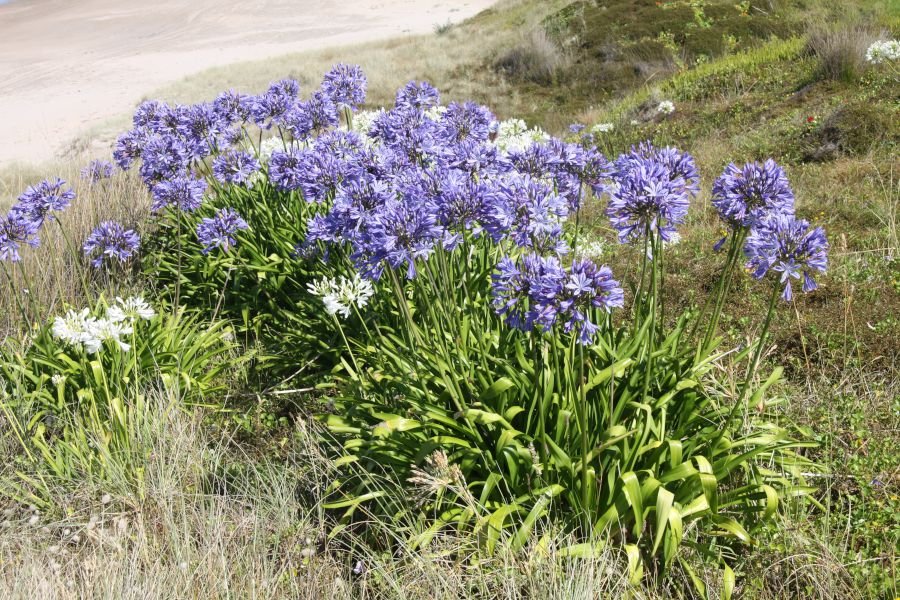
The flowers are tubular in shape, purple-blue, or white, and grow in clusters of erect stems. The flowers mostly appear in December – February and are followed by numerous thin, papery black seeds. The seeds are easily blown about, which contributes to the tendency of agapanthus plantings to get out of hand. Once they do so, the agapanthus will choke out every other kind of plant, which is nearly always undesirable!
The agapanthus is also often spread via contaminated soil containing fragments of the rhizome structure, and via any carelessly dumped vegetative matter.
HABITAT
The usual habitat is roadsides, gardens, banks, and parkland, but agapanthus can thrive almost anywhere, especially coastal sites, cliffs, sandy margin areas, and the edges of native bush areas.
MANUAL CONTROL
It’s quite feasible, although hard work, to remove scattered agapanthus plants manually. They must, however, be totally dug out, taking care to remove all possible traces of the root system. All of the removed material must be taken from the site and disposed of in a proper refuse transfer station (this material must NOT be treated as ‘green waste’). It is very likely that you will still have to do some follow-up spraying after manual removal because there will nearly always be some regrowth no matter how careful you are to remove everything.
HERBICIDES TO CONTROL AGAPANTHUS
Cut and Paste weedkiller to kill Agapanthus
You can easily cut the agapanthus and treat the cut stems with Cut'n'Paste Picloram Gel. Hold the bottle of Cut'n'Paste Picloram Gel upside down, squeeze gently and apply 4-5mm thick coating on the cut surface.
Herbicide Sprays to Kill Agapanthus
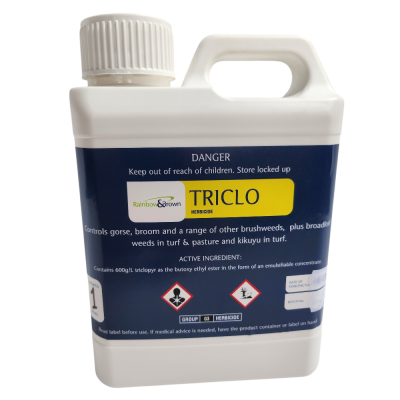
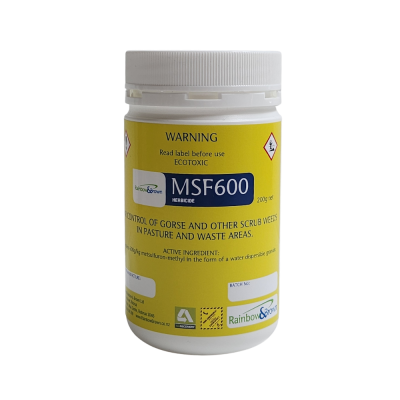
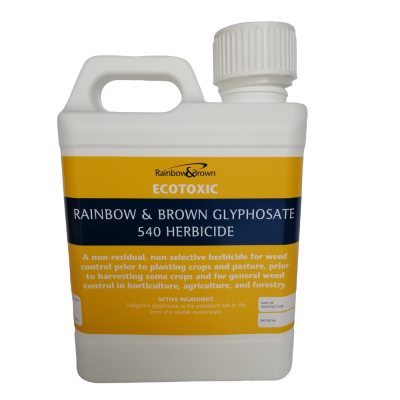
Most authorities confirm that agapanthus is very difficult to get rid of, even with powerful sprays. Common recommendations are for Glyphosate, Metsulfuron-methyl (MSF600) and Triclopyr (TRICLO Herbicide).
Our experience is that they all will work, but that glyphosate and MSF600 are more effective at some times than at others. Some customers have had excellent results with these products, and others have been disappointed, for reasons that neither they nor we can explain.
We, therefore, have only one recommendation to make:
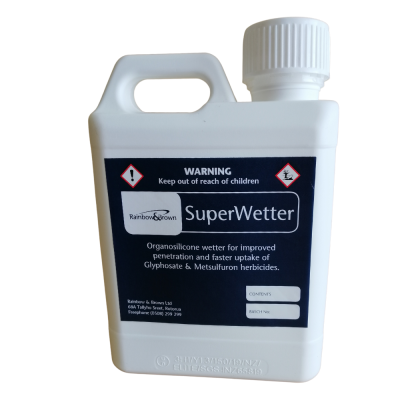
TRICLO Herbicide at 300ml/100L water, with SuperWetter at 100ml/100L water
Results with TRICLO Herbicide have been excellent, and appear to be far more reliable than any other option. We’ve included a picture to show the effectiveness of a single application of TRICLO Herbicide at that rate on a quite dense stand of agapanthus.

Agapanthus Weedkiller Recommendations - Buy Today