Barberry
Berberis glaucocoapa

DESCRIPTION
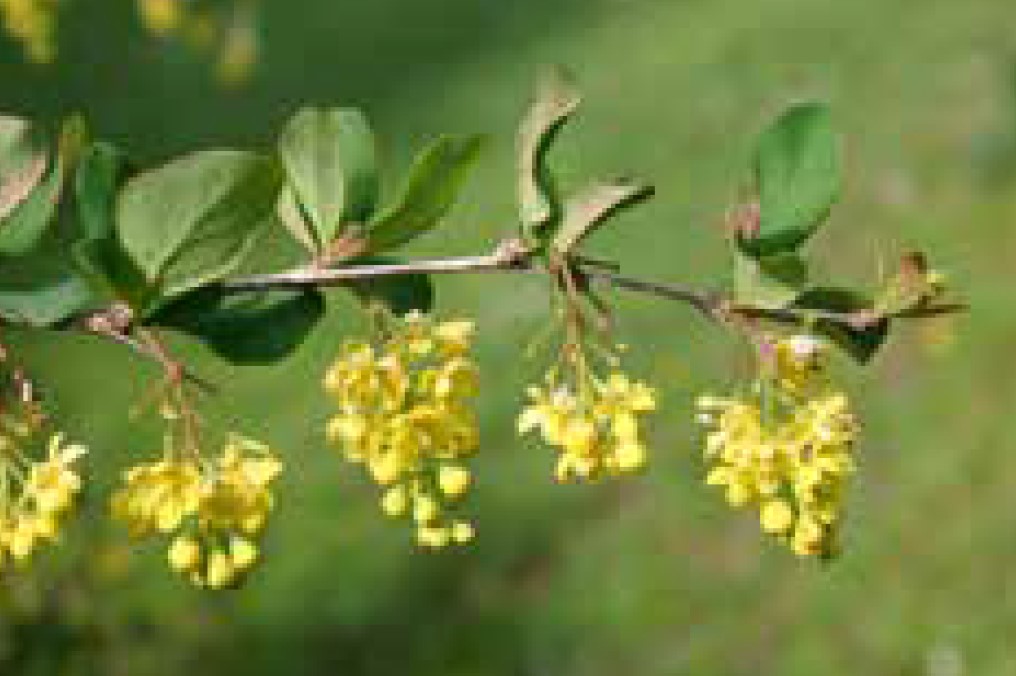
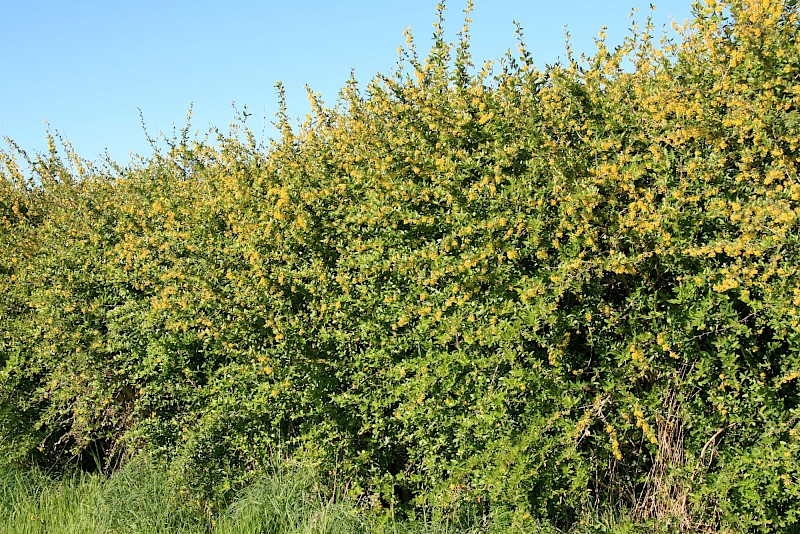
Barberry is a shrub around 2-3 metres tall. It was originally used as a hedge plant, and is therefore found through most of New Zealand, although it prefers higher rainfall locations. It is semi-deciduous, woody, evergreen, and armed with very sharp spines that appear singly or in a sinister 3-pronged configuration. The leaves are mid-green in colour, roughly oval-shaped, up to 75mm long, and have spiny toothed edges.
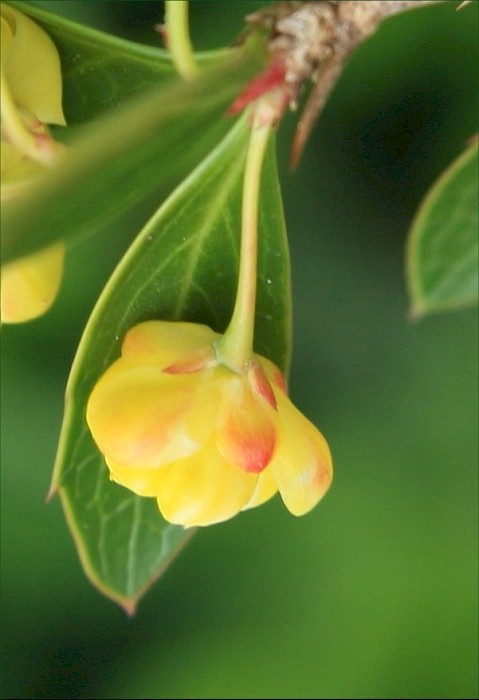
Barberry flowers in mid to late spring, producing clusters of small, yellow flowers with an unpleasant smell. Flowering is followed by the appearance of small purplish berries with a white-yellow bloom. Barberry seeds are spread by birds and the plant does best in areas where the terrain makes access to control more difficult, and where grazing by stock is less intensive.
Although not as invasive as some weed trees and shrubs, Barberry is nevertheless capable of eating into productive grazing land from the adjacent forest margins, or by spreading out from isolated locations such as old house sites, orchards and hedges. In more sheltered sites (scrub, forest margins, etc) it is much more invasive.
Barberry is in many areas subject to local authority regulations which require its control at least in some situations. There are some similar species, including Darwin’s Barberry and the European Barberry. The Darwin’s Barberry is evergreen, with bright yellow/orange flowers and smaller, shiny dark green leaves. The European Barberry is a deciduous variety, dropping its leaves for winter, and is more common in the central South Island. Although less of an issue on farming land than the common Barberry detailed in this Weed File, these other varieties can be controlled by similar means. Other similar species include Boxthorn and Hawthorn, which will be discussed in separate Weed Files.
MANUAL REMOVAL
Smaller plants can be successfully removed by grubbing-out, and can then be left on-site to rot down. This can be done at any time of the year.
HERBICIDE CONTROL
Cut’n’Paste Gels
Apply 3-4mm thick on the freshly cut stump and down the side a little:
- Picloram Gel – Most effective
- Bamboo Buster – but will also work
Cut and Stump Paint Herbicides to Kill Barberry
If painting on then liberally coat the stump with the herbicide mixture immediately after cutting, to ensure optimium herbicide penetration before the cut ‘heals’. This works year-round.
- MSF600 at 5g/L
- GrassMate at 100ml/L
- TRICLO Herbicide at 200ml/L
- GrassMate XTRA 1 part GrassMate XTRA with 20 parts of water or diesel.
Trunk Inject Herbicide to Kill Barberry
In very large barberry specimens, drill a series of 10mm holes angled down into the lower trunk, and fill with any of the concentrated herbicide solutions recommended above for the Cut & Paint method or Cut’n’Paste gels. You can also ring bark with downwards angled cuts, and fill the cuts with the concentrated herbicide solution or straight Cut’n’Paste gels. The tree will die standing. Removal of lower branches will allow better access to control other weeds, and also encourage subsequent grass growth under the dying tree.
Spot Treatment to Kill Barberry
The optimum time to spray is summer to autumn. This is the preferred method of control for heavy infestations of Barberry.
- GrassMate at 6ml/L by knapsack (i.e 90ml in a 15L knapsack). Add SuperWetter organosilicone penetrant at 15ml/15L.
- MSF600 at
- 35g/100L by handgun, plus 100ml SuperWetter penetrant.
- 5g/10L by knapsack spray plus 10ml SuperWetter penetrant.
- 10g/10L by mistblower plus 10ml SuperWetter penetrant.
Ensure thorough spray coverage of all parts of the plant. If possible spray from all sides. The preferred herbicide for spraying is MSF600 as it gives the best control with the least regrowth. GrassMate is effective and is grass-friendly, but more expensive.
- Buckshot granules applied dry at 55g per square metre sprinkled around the base of the plant and out to the drip line. The plant is then left to die standing. This is an excellent ‘target-of-opportunity’ treatment when carried on the bike or ute. Note: This will only with for small bushes of Barberry and best results are achieved on light sandy or stony soils and when applied late winter to late spring.